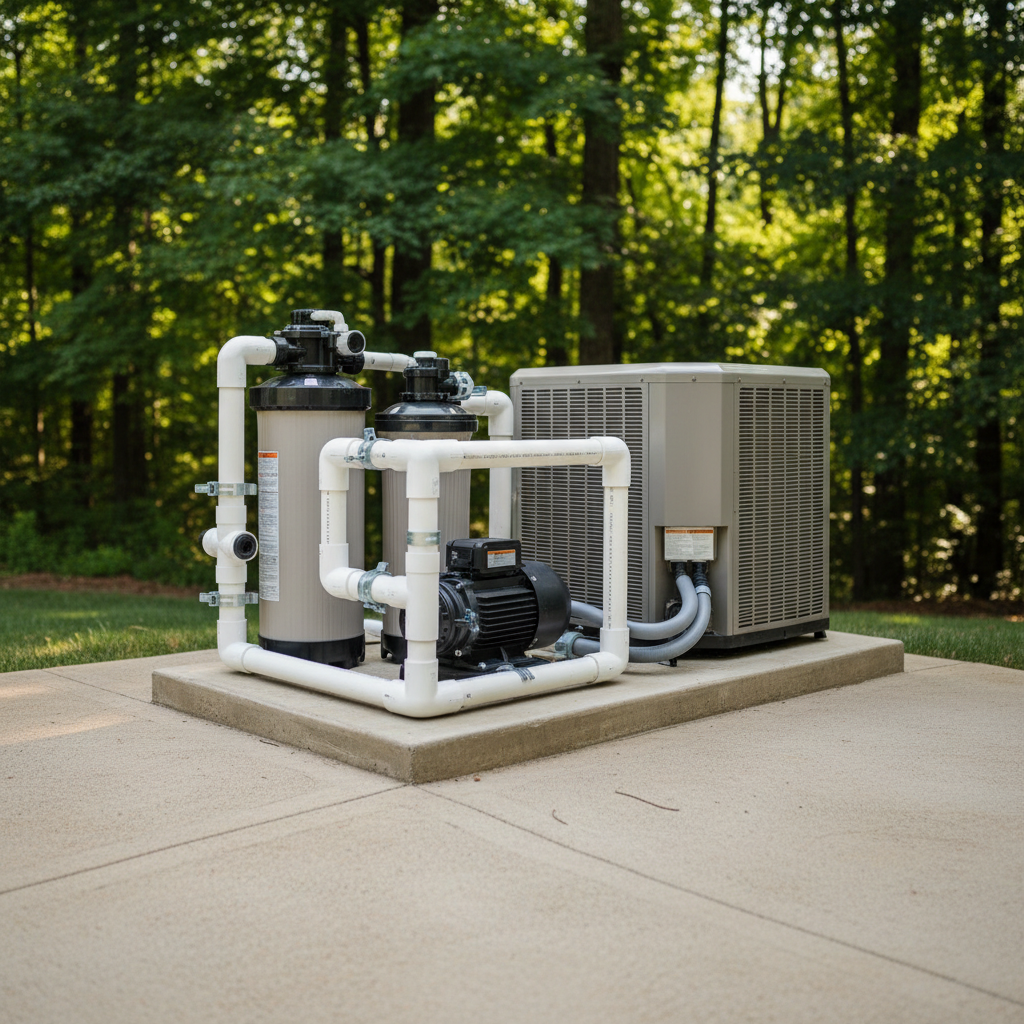
Thinking About Upgrading Your Pool Equipment?
So, you're looking at your pool equipment pad and thinking it's time for an upgrade. Maybe that old pump is wheezing, the filter's seen better days, or you just want to add a heater to stretch out your swim season a bit. Good call, really. Modern pool equipment isn't just more efficient; it can make owning a pool a whole lot easier, too. But before you grab your wrenches and dive in, let's talk about what you can realistically tackle yourself and when it's just plain smarter to call in a pro.
Before You Start: Planning & Prep
The biggest mistake I see homeowners make? Jumping in without a solid plan. You wouldn't build a house without blueprints, right? It's the same idea here, just on a smaller scale.
- Know Your 'Why': What problem are you trying to solve? Is it saving energy? Getting clearer water? Heating things up faster? Your 'why' will really guide your equipment choice.
- Research, Research, Research: Don't just buy the cheapest thing online and call it a day. Look at different brands, read some reviews, and check those specifications. Does the new pump have the right flow rate for your pool size? Is the filter actually rated for your water volume? A little homework now can save you a lot of headaches later.
- Check Your Electrical: This is a big one, especially for pumps and heaters. Many older homes in areas like Fountain City or Bearden might have electrical systems that just aren't quite up to par for modern, high-efficiency equipment. A variable speed pump, for instance, needs a different electrical setup than a single-speed. If you're not absolutely certain about your wiring, you need an electrician. Seriously.
- Permits? Maybe: For simple, like-for-like replacements (same size pump, same type of filter), you usually won't need a permit in Knox County. But if you're making bigger changes, like adding a gas heater or moving the whole equipment pad, you might. A quick call to the local building department can clear that up pretty fast. It's always better to ask than to get slapped with a fine later, wouldn't you say?
The Installation: DIY vs. Pro
Alright, you've got your new gear. Now what? This is where the rubber meets the road, and where you really need to be honest with yourself about your comfort level and what you're actually good at.
What You Can Probably DIY (If You're Handy)
- Filter Cartridge Replacement: This is a no-brainer. Turn off the pump, open the filter, pull out the old cartridge, hose it off, and put in the new one. Easy peasy.
- D.E. Filter Grid Cleaning/Replacement: A bit more involved than a cartridge, sure, but still very doable for most homeowners. You'll need to take the filter apart, clean the grids, and put it back together. Just make sure you get those grids oriented correctly.
- Sand Filter Sand Replacement: This is a messy job, no doubt, but it's not technically difficult. You'll need to drain the water, scoop out the old sand, and carefully add the new sand (making sure to cover the standpipe). It's heavy work, but you don't need specialized tools or knowledge beyond basic plumbing.
- Minor Plumbing Repairs: Replacing a leaky union or a cracked PVC pipe section, if it's easily accessible and doesn't involve complex manifold work. You'll need PVC primer and cement, and a good understanding of how to make a watertight seal.
When to Call Apex Pool & Tennessee (or another Pro)
This is where things get serious. If you're dealing with any of the following, trust me, you want a professional.
- Pump Replacement (especially if changing type/size): While swapping out a single-speed pump for an identical one might seem simple, sizing a variable-speed pump correctly for your system, wiring it up safely, and then programming it for optimal efficiency is a whole different ballgame. Incorrect wiring can be dangerous, and an improperly sized pump will just cost you more in electricity and wear out faster.
- Heater Installation (Gas or Electric): Gas heaters involve gas lines, which are absolutely not a DIY project unless you're a licensed gas fitter. Electric heaters often require dedicated high-voltage circuits. Both need proper ventilation and safety clearances. This is a job for licensed professionals only.
- Major Plumbing Reroutes or Additions: If you're adding new equipment that requires significant changes to your existing plumbing manifold, or if you're moving the equipment pad, you're looking at complex cuts, glues, and pressure testing. One bad joint can lead to a massive leak, and who wants that?
- Automation System Installation: Integrating a new automation system with your existing equipment (pump, heater, lights, sanitizers) requires specialized knowledge of electrical wiring, network setup, and programming. It's definitely not just plug-and-play.
- Anything Involving High-Voltage Electrical: I can't stress this enough. Unless you are a licensed electrician, stay away from anything beyond plugging in a low-voltage transformer. Messing with your pool's main power supply can lead to serious injury or even death.
After the Install: What's Next?
So, the new equipment is in. Now what? First, take a deep breath and pat yourself on the back if you did it yourself. If you hired us, well, you can just relax.
- Test Everything: Turn on your new equipment and carefully check for leaks. Listen for any unusual noises. Make sure everything is operating as it should. For pumps, check the pressure gauge on your filter. For heaters, ensure it's firing up and heating the water.
- Read the Manuals: I know, I know. But modern pool equipment is sophisticated. There are often specific startup procedures, programming steps, and maintenance schedules you need to follow to ensure longevity and warranty coverage.
- Monitor Performance: Keep an eye on your energy bills if you installed an energy-efficient pump. Check your water chemistry regularly to ensure your filter is doing its job.
- Regular Maintenance: Just like your car, pool equipment needs ongoing care. Clean your filter regularly, lubricate O-rings, and keep the equipment pad clear of debris. This will really extend the life of your investment.
Upgrading your pool equipment can dramatically improve your pool experience. Just make sure you're making smart choices about when to roll up your sleeves and when to pick up the phone. We're always here at Apex Pool & Tennessee if you need a hand or just some honest advice.